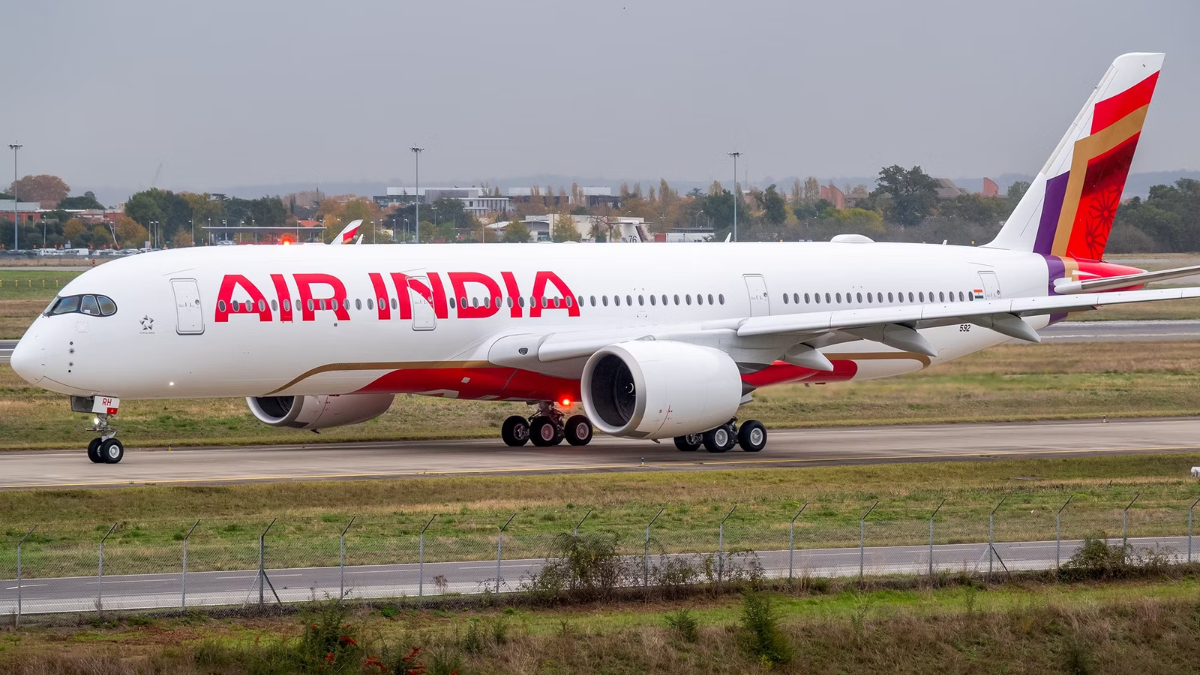
The aviation sector is facing significant concern due to a series of false bomb threats targeting Indian airlines.
Reports indicate that at least 19 Indian flights have received such threats this week.
On Wednesday, an Air Akasa flight bound for Bengaluru had to be diverted to Delhi. The previous day, the Singapore Air Force had to dispatch two fighter jets to escort an Air India Express aircraft. Additionally, an Air India flight from Delhi to Chicago was forced to land at a Canadian airport.
India’s Civil Aviation Minister, Ram Mohan Naidu Kinjarapu, stated that the ministry is closely monitoring the situation and taking all possible measures to secure flight operations.
“We are committed to maintaining the highest security standards. Passenger safety and security is our priority,” said Ram Mohan Naidu Kinjarapu.
In response to these incidents, Bomb Threat Assessment Committees at every Indian airport have been activated to evaluate the threat levels and take appropriate actions. This includes involving bomb disposal squads, sniffer dogs, ambulances, police, and doctors.
Air India has stated that they are cooperating with authorities to identify those behind the threats and are considering legal action to recover damages. These incidents have resulted in significant financial losses for airlines and security agencies.
While the exact motives behind these incidents remain unclear, police have taken some action. A young man has been arrested in Mumbai for posting threats on X (formerly Twitter) against three international flights.
These incidents have posed major challenges to India’s aviation sector. Flight delays and diversions have caused inconvenience to passengers and additional expenses for airlines.
A senior official from India’s Home Ministry said that additional security officers would be deployed on “sensitive routes,” though this has not been officially confirmed by the government.
These incidents have also garnered international attention, with agencies from countries like Singapore and Canada becoming involved.