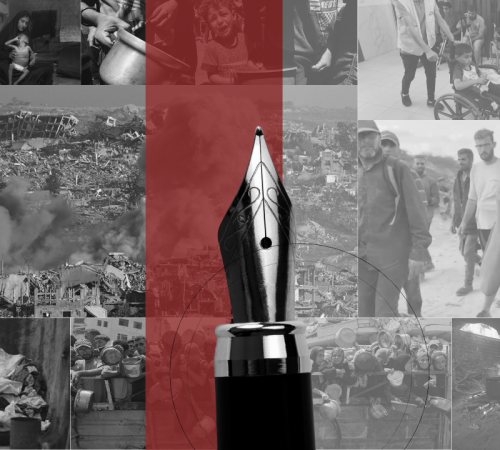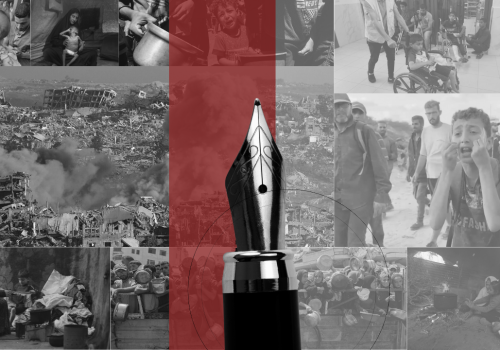
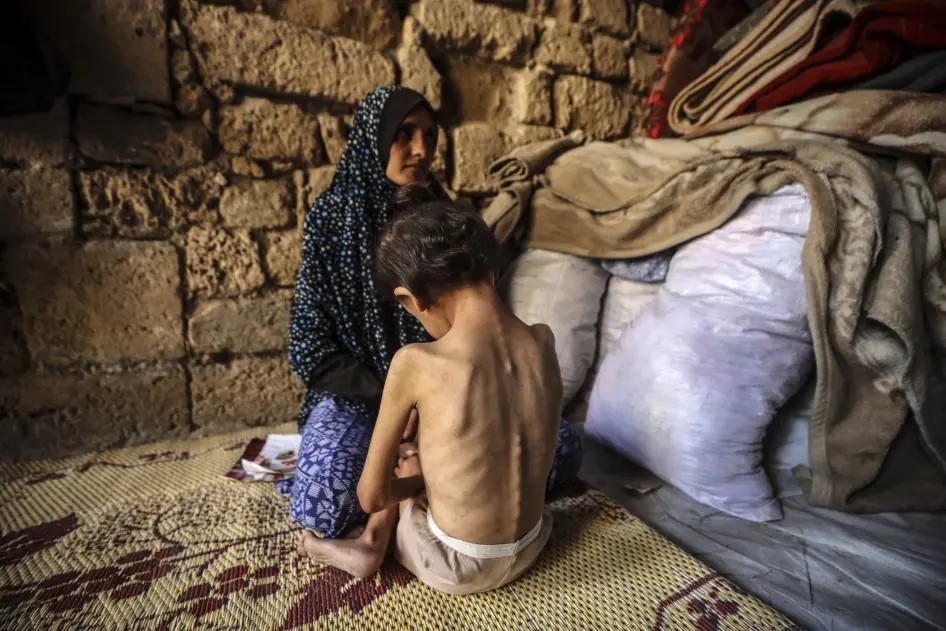
As conflict in Gaza enters its tenth month, the world’s gaze is shifting, but for those trapped inside the besieged enclave, each day is a fight for survival. With hospitals reduced to rubble, markets long emptied, and borders sealed shut, Gaza now faces a slower, more agonizing form of devastation — starvation.
According to the World Food Programme, at least half a million Palestinians are experiencing catastrophic levels of food insecurity. Children are increasingly being diagnosed with severe malnutrition. Some are surviving on boiled weeds, animal feed, or salty flour paste. Many have stopped crying — not from resilience, but from sheer exhaustion and weakness.
In recent days, haunting images have emerged not from Gaza, but from Egypt and Turkey, where volunteers symbolically tossed plastic bottles into the Mediterranean Sea. Inside the bottles were rice, lentils, and small notes addressed to Gaza. “This is all we can do,” read one message. “We hope it reaches you, even in spirit.” Though viral images falsely claimed the bottles had reached Gaza’s shores, the real gesture, documented on video, was an act of solidarity — a desperate attempt by ordinary citizens to show they had not turned their backs.
Meanwhile, frustration and moral outrage are rising not only among global citizens but also within governments. Over the past several months, several U.S. officials have publicly resigned in protest against their government’s support of policies they say have contributed to Gaza’s suffering. Among them is Josh Paul, who worked at the U.S. State Department’s political-military bureau. He cited the continued arms transfers to Israel as a line he could no longer cross. More recently, Major Harrison Mann, a U.S. Army intelligence officer, resigned from the Defense Intelligence Agency, stating that he could no longer be complicit in enabling mass civilian suffering. Their letters, filled with grief and moral conflict, have sparked new debate inside Washington — but no policy reversal has followed.
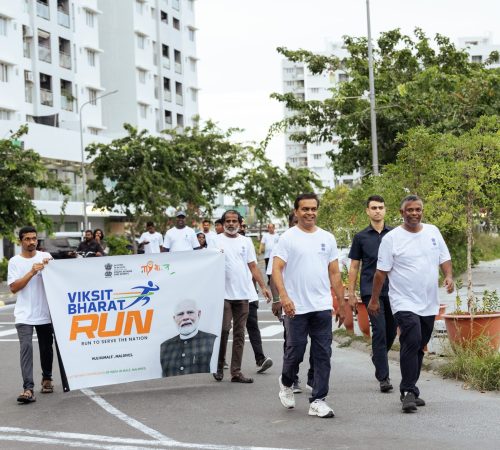
Far from the warzone, the shores of the Maldives echoed that same anguish today. A solidarity rally was held at Artificial Beach in Malé, where citizens, activists, and students came together to protest the ongoing siege of Gaza. Participants carried placards that read “Stop Starving Gaza” and “Let Food In.” In a symbolic gesture mirroring the Egyptian bottle protest, the crowd placed small bottles filled with rice and handwritten notes by the sea, saying their voices, too, must be heard.
“This is about humanity,” said one protester. “We may be a small nation, but we are not small-hearted. Silence is complicity.” Prayers were offered for the people of Palestine, and a moment of silence was observed for the victims — not just of bombs, but of deliberate deprivation.
The international humanitarian community has repeatedly sounded the alarm. UN agencies warn that Gaza is on the verge of a full-scale, man-made famine. Access to aid is being systematically denied. Convoys are stopped or attacked. Hospitals and aid centres have become targets. Medical supplies are dwindling. And still, no political solution is in sight.
What is unfolding in Gaza is not simply a tragedy — it is a moral collapse. It is not the absence of resources, but the denial of access that is killing people. Starvation is being used as a weapon, and the world’s delayed response is allowing it to happen.
The people of Gaza continue to wait. For bread. For medicine. For a ceasefire. For dignity.
And today, from a beach in Malé to the edge of the Mediterranean, others wait with them. Watching. Speaking. Refusing to forget.