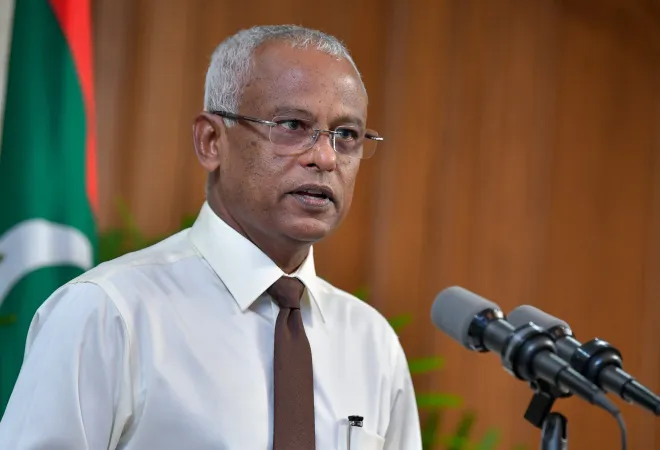
Malé, Maldives – The Prosecutor General’s Office (PGO) has directed the Anti-Corruption Commission (ACC) to conduct a criminal investigation into settlement agreements worth approximately MVR 1 billion, implicating former president Ibrahim Mohamed Solih and top officials of the previous Maldivian Democratic Party (MDP) administration.
The settlements, signed during the MDP’s tenure from 2018 to 2023, involved payouts of over MVR 1.6 billion to private companies. A parliamentary inquiry by the Public Accounts Committee found these agreements to be unlawful and recommended criminal investigations against Solih, former economic minister Fayyaz Ismail, and former minister at the President’s Office, Ali Shiyam .
.
The PGO’s directive follows the passage of the inquiry report by Parliament on December 12. The report alleged that state officials had violated their duties by unlawfully awarding state funds and assets, causing financial damage to the state.
In a statement issued on Sunday, the PGO confirmed that it had received the committee’s findings on December 12 and referred the case to the ACC on December 17 for a criminal investigation. The commission has been instructed to conduct a thorough and swift probe and provide regular updates to the PGO as the investigation progresses.
The settlement agreements in question were reviewed by a special settlement committee formed by the MDP administration to resolve compensation claims for cancelled government contracts. However, incumbent president Dr. Mohamed Muizzu dissolved the committee in November, citing “illicit compensation payments using taxpayer money” as unacceptable.
On December 19, the Attorney General’s Office declared nine settlement agreements signed during the MDP administration invalid and instructed state agencies to refrain from enforcing them.
The ACC is now tasked with investigating whether top state officials acted improperly in awarding the settlements, raising concerns of corruption and misuse of public funds. This high-profile investigation could have far-reaching implications for the accountability of past administrations and the integrity of state finances.